Notice: Function Elementor\Core\Experiments\Manager::warn_removed_or_hidden_dependency was called incorrectly. Feature mega-menu depends on hidden experiment nested-elements. Please see Debugging in WordPress for more information. (This message was added in version 4.3.2.) in /home/u327571181/domains/times.software/public_html/wp-includes/functions.php on line 6260 Hunter Email Verification and Outreach Platform Explained - Times Software
Hunter Email Verification and Outreach Platform Explained
Discover how Hunter simplifies email outreach with powerful tools for finding, verifying, and managing professional email campaigns. This guide explains how Hunter improves deliverability, boosts lead generation, and helps businesses connect with the right audience efficiently.
If you’ve ever tried reaching out to potential clients, recruiters, or business partners, you already know the struggle—finding the right email address feels like searching for a needle in a haystack. That’s exactly where Hunter comes in. It’s not just another SaaS tool; it’s like having a smart assistant that finds, verifies, and helps you connect with the right people effortlessly.
In 2026, email outreach is still one of the most powerful marketing channels, despite the rise of social media and AI chat tools. Why? Because email is direct, personal, and measurable. Tools like Hunter make this process faster and more reliable by combining email discovery, verification, and outreach automation into one platform.
Hunter works by scanning publicly available data across the internet and identifying professional email addresses linked to specific domains or individuals. This means instead of guessing email formats or manually searching LinkedIn profiles, you can generate verified contacts in seconds.
The real importance of Hunter today lies in its ability to reduce wasted effort and improve outreach success rates. Think about it—sending emails to invalid addresses not only wastes time but can also damage your sender reputation. Hunter solves this by ensuring that your emails actually reach real inboxes.
Evolution of Email Outreach Tools
Email outreach has come a long way from simple bulk mailing tools. Earlier, marketers relied on guesswork—creating email lists manually, sending generic messages, and hoping for replies. That approach was inefficient and often resulted in high bounce rates.
Modern tools like Hunter have transformed this process into a data-driven strategy. Instead of blindly sending emails, you now have access to verified contacts, automation workflows, and performance analytics. This shift has made outreach smarter, more targeted, and significantly more effective.
Hunter represents this evolution perfectly by combining multiple functionalities—email finding, verification, and campaign management—into a single platform. This integration eliminates the need for multiple tools, saving both time and money.
Why Businesses Still Rely on Email
You might wonder, with all the new communication channels available, why is email still so dominant? The answer is simple—email delivers results. It’s personal, scalable, and measurable.
Businesses rely on email because it allows direct communication with decision-makers. Unlike social media, where algorithms control visibility, email lands straight in the recipient’s inbox. Hunter enhances this by ensuring your emails are accurate, verified, and targeted.
Another key reason is ROI. Email marketing consistently delivers one of the highest returns compared to other channels. When combined with a tool like Hunter, which reduces bounce rates and improves deliverability, the results become even more powerful.
Core Features of Hunter Platform
Hunter isn’t just about finding emails—it’s a complete outreach ecosystem. Let’s break down its most important features and understand how they work together.
Email Finder Tool
The Email Finder is the backbone of Hunter. It allows you to find professional email addresses by entering a person’s name and company domain. Behind the scenes, Hunter uses pattern recognition and publicly available data to generate accurate email addresses.
This feature is incredibly useful when you already know your target audience but lack their contact details. Instead of spending hours researching, you can get results instantly. According to recent insights, this automation saves significant time and improves efficiency for sales and marketing teams.
Email Verification System
Finding emails is only half the battle. The real challenge is ensuring they are valid. Hunter’s Email Verification system checks whether an email address actually exists and can receive messages.
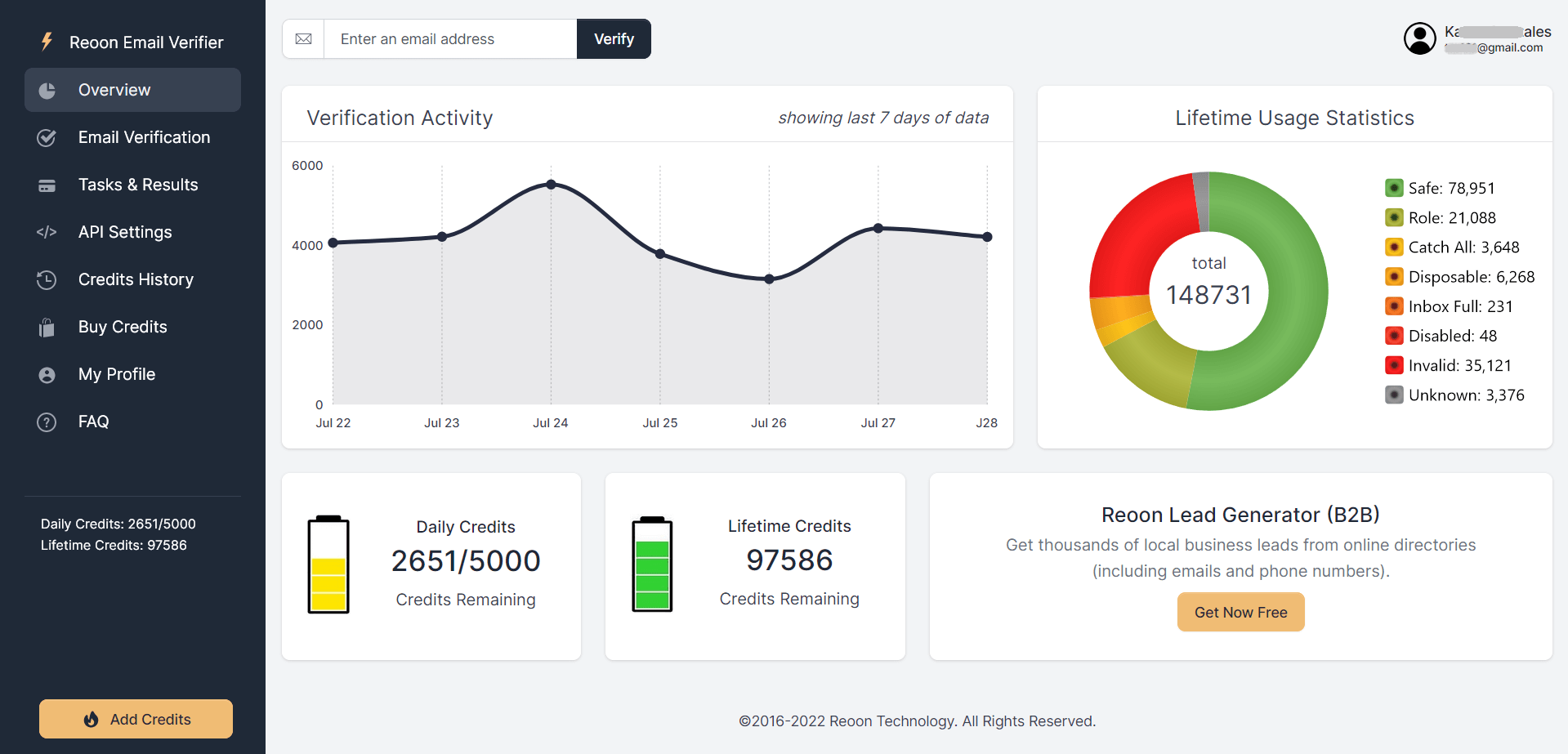
This feature is crucial because sending emails to invalid addresses can harm your domain reputation. Hunter categorizes emails into different statuses like valid, invalid, accept-all, and unknown, helping you make informed decisions before sending campaigns.
Campaign and Outreach Automation
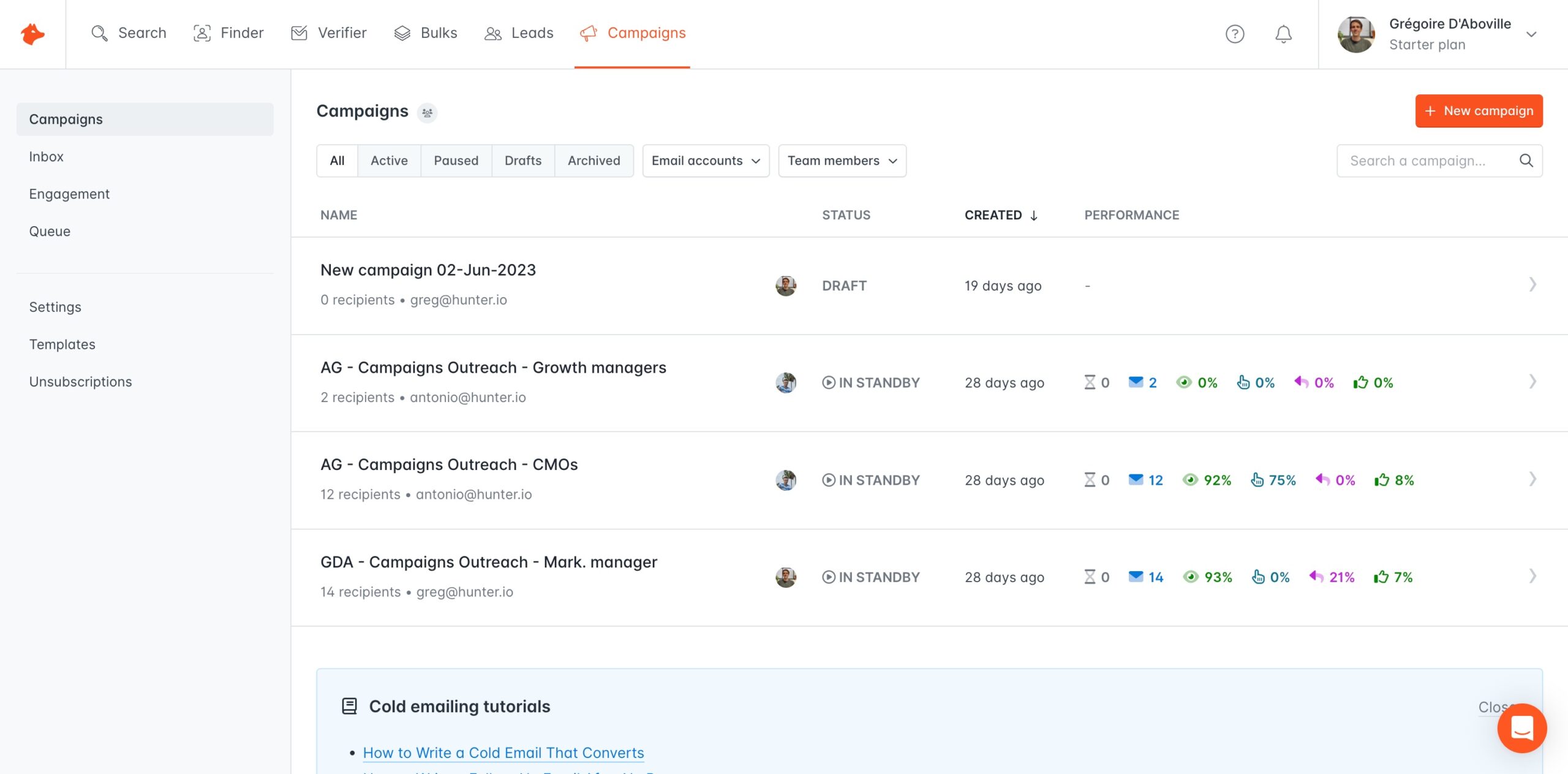
Hunter goes beyond just finding and verifying emails. It also allows you to create and manage email campaigns. You can send personalized emails, schedule follow-ups, and track performance—all from one dashboard.
The platform integrates with Gmail and Outlook, ensuring better deliverability by sending emails through your own account. This approach makes your emails look more natural and reduces the chances of landing in spam folders.
Domain Search Functionality
Another powerful feature is Domain Search, which lets you find all email addresses associated with a specific company domain. This is particularly useful for building targeted lists for B2B outreach.
For example, if you want to connect with marketing managers in a company, you can quickly identify relevant contacts without manual research.
How Hunter Email Verification Works
Understanding how email verification works can give you a huge advantage in outreach campaigns. Hunter’s system is designed to minimize risks and maximize deliverability.
Validation Process Explained
Hunter verifies emails using multiple checks, including syntax validation, domain verification, and mail server response analysis. These checks ensure that the email address is not only correctly formatted but also capable of receiving messages.
This multi-layered approach significantly reduces bounce rates and protects your sender reputation. In simple terms, it acts like a quality filter for your email list.
Types of Verification Results
Hunter provides four main verification results:
Valid – Safe to send emails
Invalid – Will bounce
Accept-all – Cannot guarantee accuracy
Unknown – Server restrictions prevent verification
These categories help you decide which contacts to include in your campaigns.
Hunter Outreach Platform Explained
Hunter’s outreach capabilities are what truly make it stand out. It’s not just about finding emails—it’s about turning those emails into meaningful conversations.
Email Sequences and Automation
Hunter allows you to create email sequences, which are automated series of emails sent over time. This is especially useful for follow-ups, ensuring you stay on your prospect’s radar without manual effort.
Automation doesn’t mean losing personalization. You can customize each email, making it feel personal and relevant to the recipient.
Personalization and Tracking
One of the biggest advantages of Hunter is its ability to track email performance. You can monitor open rates, click rates, and replies, giving you insights into what works and what doesn’t.
This data helps you refine your outreach strategy and improve results over time.
Hunter Pricing and Plans (2026 Updated)
Pricing is always a key factor when choosing a tool. Hunter offers flexible plans to suit different needs.
Free vs Paid Plans
Plan
Price
Credits
Best For
Free
$0
50/month
Beginners
Starter
$34/month
2,000/month
Small teams
Growth
$104/month
10,000/month
Growing businesses
Scale
$209/month
25,000/month
Large teams
Hunter’s free plan allows users to test the platform with limited credits, while paid plans offer advanced features like automation and API access.
Credit System Explained
Hunter uses a credit-based system, where each email search or verification consumes credits. This model allows flexibility but can become costly at scale, especially for high-volume users.
Hunter competes with tools like Snov.io, Apollo.io, and ZoomInfo. While it excels in simplicity and accuracy, competitors may offer more advanced features like multi-channel outreach or deeper data insights.
Best Use Cases for Hunter
Hunter is ideal for:
Freelancers and startups
Sales teams doing cold outreach
Recruiters sourcing candidates
Marketers running email campaigns
Expert Tips for Using Hunter Effectively
To get the best results:
Always verify emails before sending
Personalize your outreach messages
Use sequences for follow-ups
Monitor performance metrics
Conclusion
Hunter is a powerful tool that simplifies email outreach by combining email discovery, verification, and automation into one platform. It saves time, improves accuracy, and helps businesses connect with the right people more effectively.
If your goal is to build targeted email lists and run successful outreach campaigns, Hunter is definitely worth considering. However, like any tool, it works best when used strategically.
Frequently Asked Question
Is Hunter free to use?
Yes, Hunter offers a free plan with limited monthly credits.
How accurate is Hunter email verification?
Hunter provides high accuracy by using multiple validation checks, but no tool guarantees 100%.
Can Hunter send emails?
Yes, it includes outreach features like email sequences and tracking.
Is Hunter suitable for beginners?
Absolutely, its interface is simple and easy to use.
What is Hunter best used for?
It’s best for email prospecting, lead generation, and cold outreach campaigns.