Notice: Function Elementor\Core\Experiments\Manager::warn_removed_or_hidden_dependency was called incorrectly. Feature mega-menu depends on hidden experiment nested-elements. Please see Debugging in WordPress for more information. (This message was added in version 4.3.2.) in /home/u327571181/domains/times.software/public_html/wp-includes/functions.php on line 6260 Social Catfish: Online Identity Verification Marketing Strategy - Times Software
Social Catfish: Online Identity Verification Marketing Strategy
Social Catfish: Online Identity Verification Marketing Strategy explores how Social Catfish leverages trust, education, and SEO-driven content to position itself as a powerful solution against online scams and fake identities. The blog highlights how identity verification tools, emotional storytelling, and smart digital marketing help Social Catfish attract high-intent users and build long-term credibility in an increasingly risky online world.
Let’s be honest—trust on the internet is fragile. One fake profile, one stolen image, or one deceptive message can turn curiosity into chaos. As our lives move deeper online, verifying who’s real and who’s not has become more than a convenience—it’s a necessity. That’s where online identity verification steps in, acting like a digital lie detector in a world full of masks.
What Is Social Catfish and Why It Matters
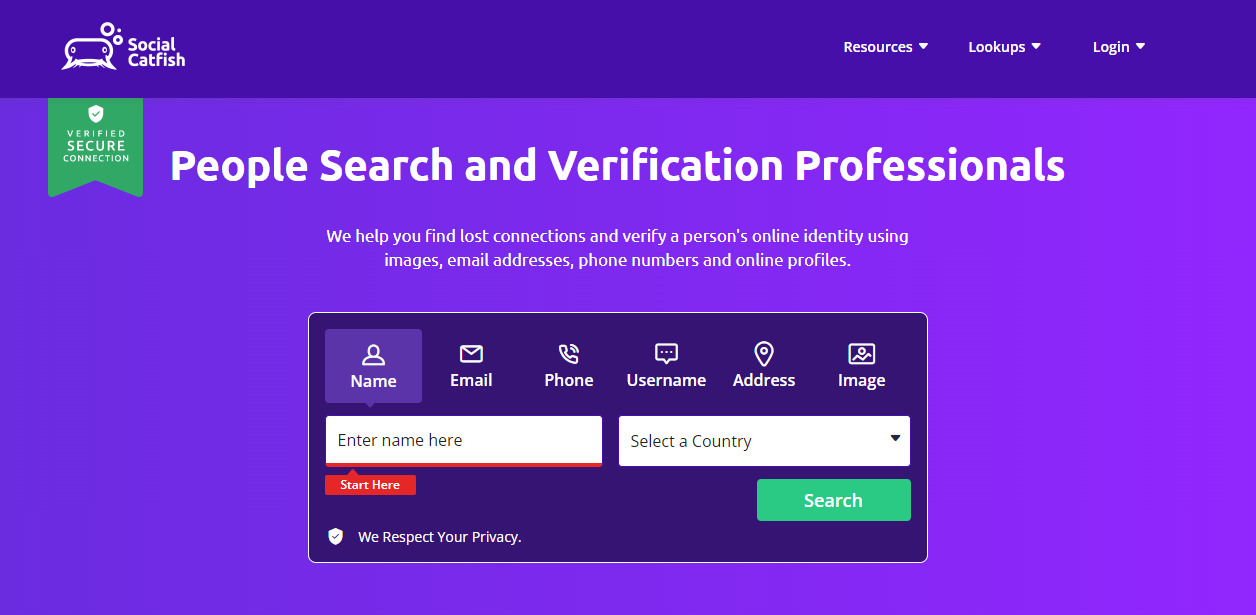
Social Catfish is built around one simple but powerful idea: helping people verify identities online. Whether it’s a suspicious dating profile, a strange email, or an unknown phone number, the platform gives users tools to check authenticity before trust is broken. Its importance skyrockets in an era where online scams are smarter, faster, and emotionally manipulative.
The Growing Problem of Online Scams and Fake Profiles
Catfishing, romance scams, impersonation—these aren’t rare anymore. They’re everyday digital threats. Scammers don’t just steal money; they steal time, emotions, and peace of mind. This growing problem creates a perfect environment for a brand like Social Catfishto position itself not just as a tool, but as a protector.
Understanding the Social Catfish Platform
Core Features of Social Catfish
At its core, Social Catfish offers investigative-style search tools that dig beneath the surface of online identities. Instead of guessing, users can verify using data-driven insights that expose inconsistencies and red flags.
How Social Catfish Works
The platform uses publicly available data and smart search algorithms to connect digital dots.
Reverse Image Search
Ever seen a profile photo that feels too perfect? Reverse image search helps uncover where else that image appears online, revealing stolen photos or fake personas.
Email and Username Lookup
Scammers often reuse usernames and emails across platforms. This feature tracks those breadcrumbs and shows where else they’ve been used.
Phone Number Verification
Unknown calls and messages are common scam entry points. Phone lookups help identify owners, locations, and potential scam links.
Why Identity Verification Is a Powerful Marketing Angle
Fear and trust are powerful motivators. Social Catfish’s marketing strategy taps into both—addressing fear without exploiting it and offering trust as the solution. The message is simple: Don’t guess. Verify.
Target Audience for Social Catfish
Online Daters
Dating apps are ground zero for catfishing. People emotionally invest quickly, making identity verification a must-have safety step.
Businesses and Employers
From hiring remote workers to vetting freelancers, businesses need to know who they’re dealing with.
Concerned Individuals and Families
Parents, caregivers, and individuals looking out for loved ones form another strong audience segment.
Social Catfish Marketing Strategy Explained
Content Marketing for Trust Building
Educational blogs, scam awareness articles, and real-life case stories form the backbone of Social Catfish’s content strategy. Instead of hard selling, they teach—and teaching builds trust.
SEO Strategy and Organic Traffic Growth
Search engines are where worried users turn first. Social Catfish targets high-intent keywords like “reverse image search for dating scams” and “check if someone is real online,” capturing users exactly when they need help.
Emotional Storytelling as a Conversion Tool
Stories of real victims and exposed scams hit home. These narratives make the danger real and the solution feel necessary.
Role of SEO in Social Catfish Growth
Keyword Targeting Strategy
Long-tail keywords, question-based searches, and problem-focused phrases drive qualified traffic that’s ready to convert.
Blog and Educational Content
Blogs don’t just rank—they reassure. Step-by-step guides, scam breakdowns, and verification tips keep users engaged and informed.
Search Intent Optimization
Every page is built around intent: informational, navigational, or transactional. That alignment boosts both rankings and conversions.
Social Media and Community Engagement
Social media acts as both a megaphone and a safety net. By sharing scam alerts, quick tips, and user stories, Social Catfish stays relevant and helpful—two traits algorithms love.
Influencer and Partnership Marketing
Collaborations with cybersecurity experts, dating coaches, and tech educators extend reach while reinforcing credibility.
Conversion Strategy and User Experience
Clear CTAs, simple dashboards, and transparent pricing reduce friction. Users feel guided, not pressured—and that’s key to long-term trust.
Competitive Advantage in the Identity Verification Market
What sets Social Catfish apart is positioning. It’s not just a data tool—it’s a safety solution. That emotional branding creates loyalty beyond features.
Challenges in Marketing Online Verification Services
Privacy concerns, skepticism, and data sensitivity can slow adoption. Smart education and transparency are critical to overcoming these barriers.
Future of Online Identity Verification
As AI-generated profiles and deepfakes rise, identity verification will move from optional to essential. Brands that lead with trust and education will win.
Conclusion
Social Catfish’s online identity verification marketing strategy works because it speaks to real fears with real solutions. By combining SEO-driven content, emotional storytelling, and trust-focused messaging, it doesn’t just attract users—it protects them. In a digital world full of illusions, verification isn’t just smart marketing. It’s responsible marketing.
Frequently Asked Question
What is Social Catfish mainly used for?
It helps verify online identities using images, emails, usernames, and phone numbers.
Is Social Catfish useful for online dating safety?
Yes, it’s especially popular for detecting fake dating profiles and romance scams.
How does Social Catfish attract users organically?
Through SEO-focused educational content targeting high-intent search queries.
Is identity verification becoming more important?
Absolutely. With rising online scams, verification is becoming a digital necessity.
What makes Social Catfish’s marketing strategy effective?
Its focus on trust, education, emotional storytelling, and search intent alignment.