Digital Marketing Agency
How Ourbus Disrupted Transportation with Smart Marketing
Discover how Ourbus revolutionized the transportation industry through innovative technology and smart marketing strategies. This article explores how Ourbus leveraged demand-driven routes, digital platforms, and community-focused campaigns to create a flexible, customer-centric travel experience that disrupted traditional bus services.
Table of Contents
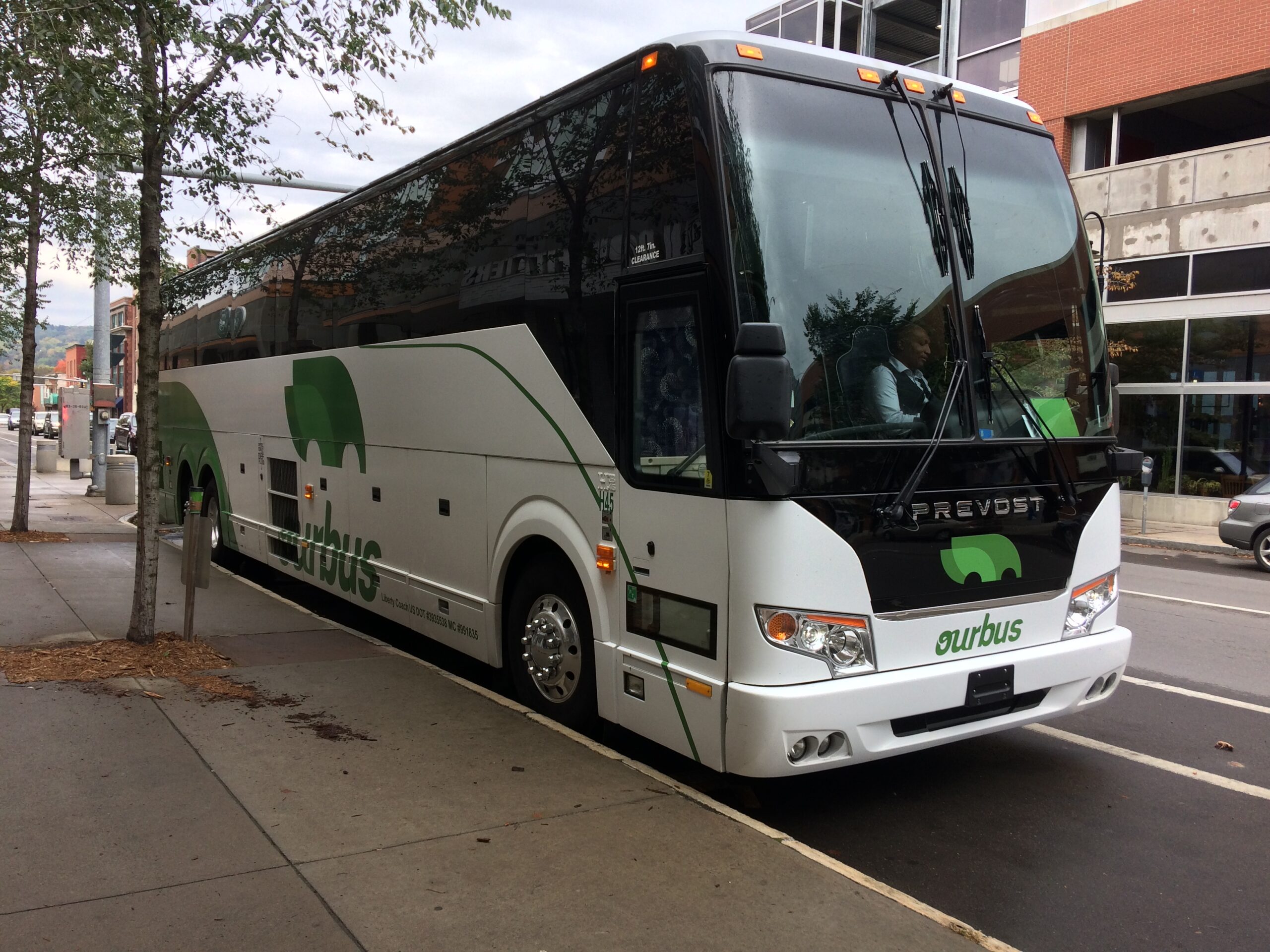
ToggleThe transportation industry has long been dominated by large bus operators that follow fixed routes and rigid schedules. Then a relatively young startup called OurBus entered the scene and changed the rules of the game. Founded in 2016 and headquartered in New York City, OurBus operates as a technology-driven intercity bus network connecting cities across the United States and Canada.
Instead of owning buses or building expensive transportation infrastructure, the company functions as a platform that connects passengers with charter bus operators. This means the company essentially acts as a broker, matching travel demand with available bus supply and marketing the routes under its own brand.
Think about how ride-sharing apps like Uber disrupted taxis. OurBus applies a similar logic to intercity buses. By leveraging technology and partnerships with independent operators, the company avoids huge operational costs while still delivering reliable travel services. This “asset-light” approach makes scaling faster and more flexible compared to traditional bus companies.
Passengers book trips through a website or mobile app, choose routes between cities, and enjoy comfortable rides equipped with Wi-Fi, charging ports, reclining seats, restrooms, and other amenities.
This modern experience helps position OurBus not just as a bus company, but as a mobility technology platform. And that positioning is important because it plays directly into the company's marketing strategy—one that emphasizes convenience, community demand, and digital innovation.
But the real story behind OurBus isn’t just transportation. It’s how smart marketing and data-driven strategy turned a simple idea into a disruptive force in regional travel.
Every disruptive company begins with a problem worth solving. For OurBus, that problem was inefficient commuting and inconvenient regional travel. Co-founders Narinder Singh and Axel Hellman saw firsthand how traditional transportation systems failed to serve commuters effectively.
Many travelers faced the same frustrations: long commute times, inconvenient transfers, and expensive last-mile transportation options. In fact, some commuters spend as much as three hours per day traveling between work and home, highlighting the inefficiencies of existing transit systems.
Instead of simply launching another bus service, the founders asked a different question:
What if transportation routes were built around the needs of passengers instead of infrastructure?
That idea became the foundation of OurBus. The founders envisioned a system where travelers could request new routes based on demand, allowing the company to create transportation services tailored to real communities rather than predetermined schedules.
This demand-driven mindset influenced everything—from route planning to marketing strategy. Instead of pushing services onto customers, OurBus built services with customers. This subtle but powerful difference made the company more agile than traditional operators.
From the beginning, OurBus positioned itself as a technology platform solving mobility problems, not merely a transportation company. That distinction allowed the brand to attract investors, technology talent, and a younger demographic of travelers.
And once the foundation was built, the company’s innovative marketing strategies started to amplify its growth.
Before companies like OurBus emerged, the intercity bus industry followed a fairly predictable structure. Large operators controlled routes, bus fleets, and terminals. While this model worked for decades, it also created several limitations that slowed innovation.
Traditional bus companies often rely on fixed routes and rigid schedules, even when passenger demand fluctuates. This makes it difficult to introduce new routes quickly or respond to changing travel patterns. If a new commuter corridor emerges or a university suddenly needs transportation services, legacy operators may take months—or even years—to respond.
Another challenge is the heavy capital investment required to operate fleets. Owning hundreds of buses means dealing with maintenance, staffing, garages, and fuel costs. These overhead expenses limit experimentation and innovation.
Meanwhile, consumer expectations began to shift dramatically. The rise of ride-sharing apps, mobile booking platforms, and on-demand services changed how people think about transportation. Travelers wanted flexible scheduling, digital booking, real-time updates, and personalized services.
Traditional bus companies struggled to adapt to these expectations.
Interestingly, the broader bus market remains enormous. In the United States alone, intercity buses transported about 50 million passengers in 2023, showing that demand for affordable travel remains strong.
This gap between high demand and outdated service models created the perfect opportunity for startups like OurBus.
Modern travelers are more cost-conscious than ever. Rising airfare prices and increasing fuel costs have pushed many people to look for alternative ways to travel between cities. Intercity buses offer a compelling solution because they provide relatively low ticket prices while connecting major urban areas.
Students, commuters, and budget travelers represent a particularly large segment of this market. Universities, for example, often have thousands of students traveling between campuses and metropolitan areas during holidays and weekends.
OurBus recognized this pattern early. Instead of competing directly with airlines or trains, the company focused on short-to-medium-distance travel routes where buses offer a clear advantage.
By targeting underserved routes and commuter corridors, the company created a niche where traditional operators had limited presence.
But identifying demand was only half the battle.
The real innovation came from how OurBus used marketing and technology to capture that demand and convert it into loyal riders.
One of the most unique features of the OurBus model is crowdsourced route planning.
Instead of guessing which routes might be profitable, the company allows communities to request transportation services. If enough riders show interest, the company launches the route.
Imagine living in a suburban town where there’s no direct bus to a nearby city. Traditionally, you’d have to drive or take multiple transit connections. With OurBus, residents can request a route, and once enough people sign up, the company arranges buses and drivers.
This model flips the traditional transportation planning process. Rather than building routes first and hoping passengers appear, OurBus builds routes only when demand is proven.
This strategy dramatically reduces financial risk while ensuring strong occupancy rates.
It also doubles as a marketing engine. When passengers request routes, they often share the service with friends, colleagues, and local communities—essentially creating organic word-of-mouth promotion.
That’s marketing built directly into the product itself.
Another key factor behind OurBus’s success is its asset-light operating model.
Unlike traditional transportation companies, OurBus does not own its buses. Instead, it partners with independent charter bus operators that already have vehicles and drivers available.
This strategy offers several advantages:
Feature | Traditional Bus Companies | OurBus Model |
Fleet ownership | Own buses | Partner with operators |
Route planning | Fixed schedules | Demand-driven routes |
Expansion speed | Slow | Rapid |
Capital investment | High | Low |
Operational flexibility | Limited | High |
By removing the burden of fleet ownership, the company can focus on technology, marketing, and customer experience.
That’s a powerful advantage. Instead of spending millions on vehicles, the company invests in growth strategies, platform development, and digital marketing campaigns.
And those marketing strategies are exactly what fueled the company’s rapid expansion.
One of the most effective tactics used by OurBus is hyperlocal marketing.
Rather than running broad national advertising campaigns, the company targets specific communities where demand exists. For example, when launching a new route connecting a suburban town to a major city, OurBus focuses marketing efforts on that local community.
Campaigns often include:
This localized strategy ensures that marketing budgets are spent efficiently while reaching people who are most likely to use the service.
Even outdoor advertising campaigns are tailored to individual markets. Marketing teams coordinate digital campaigns, social media promotions, and regional partnerships to promote route launches.
The result is highly targeted growth rather than expensive mass advertising.
Another powerful marketing strategy is community engagement.
OurBus frequently works with universities, commuter groups, and event organizers to create transportation solutions tailored to their needs.
For example, large groups of commuters—sometimes 100 or more passengers—can request customized routes.
This turns passengers into advocates. When a community benefits from a new route, people naturally promote the service to others.
It’s similar to how early social networks grew—through communities rather than mass marketing.
This strategy also helps the company understand travel patterns, allowing it to launch routes that already have strong demand.
Technology is at the heart of the company’s marketing strategy.
The company uses data analytics and AI to analyze travel demand and identify profitable routes.
Once a route shows strong potential, the company launches marketing campaigns targeted at travelers along that corridor.
These campaigns may include:
By combining data insights with targeted promotions, OurBus maximizes occupancy rates for new routes.
This approach turns route launches into mini product launches, generating excitement and visibility within local communities.
A modern transportation service needs a seamless digital experience.
OurBus offers booking, scheduling, and real-time updates through mobile apps and online platforms. These tools simplify the travel process while reinforcing the company’s identity as a tech-driven mobility brand.
Customers can easily book tickets, track buses, and receive arrival estimates directly through the platform. This digital convenience becomes a key selling point compared to older bus services that rely on physical ticket counters.
Technology also enables features such as automated notifications, digital receipts, and flexible booking options.
In a world where convenience drives purchasing decisions, these small details become powerful marketing tools.
Another innovation behind the company’s growth is AI-driven route optimization.
OurBus uses artificial intelligence to analyze travel patterns and determine where bus routes should operate.
This data-driven planning ensures that buses operate where demand actually exists.
It also allows the company to adjust routes quickly as travel patterns change.
For example, if demand increases between two cities due to events or seasonal travel, new trips can be scheduled quickly.
This flexibility allows OurBus to respond faster than traditional operators—and that responsiveness strengthens its reputation among travelers.
The growth of OurBus has been impressive for a relatively young transportation startup.
The broader Rally OurBus platform has reported around $120 million in revenue and approximately 3 million rides completed, reflecting strong adoption of the service.
In one recent month alone, the company transported around 64,000 passengers, demonstrating consistent demand across its network.
These numbers highlight how quickly technology-driven transportation platforms can scale.
The company’s growth also reflects a larger trend: travelers increasingly prefer shared, sustainable transportation options over private cars.
OurBus has expanded its services across numerous cities in the United States and Canada, including major transportation corridors in the Northeast.
Today the network connects cities across states such as:
This regional network allows travelers to move between cities efficiently without relying on expensive flights or complicated train connections.
The company continues expanding routes while exploring new markets.
The success of OurBus offers valuable insights for entrepreneurs and marketers in any industry.
First, listen to customers before building products. By allowing riders to request routes, the company ensures strong demand before launching services.
Second, adopt asset-light business models whenever possible. Instead of owning expensive infrastructure, leverage partnerships and technology.
Third, invest heavily in data-driven marketing. Understanding customer behavior allows companies to launch services more effectively.
Finally, build marketing directly into the product. When users help create routes and share services with their communities, growth becomes organic.
These strategies transformed OurBus from a small startup into a recognized player in regional transportation.
OurBus didn’t just launch another bus service—it reimagined how transportation companies operate and market themselves. By combining crowdsourced routes, asset-light operations, hyperlocal marketing, and advanced technology, the company created a flexible and scalable transportation platform.
This approach allowed OurBus to compete with established bus operators while delivering a modern travel experience.
As mobility continues evolving, companies that embrace technology, community engagement, and data-driven marketing will likely shape the future of transportation.
OurBus is proof that sometimes the smartest marketing strategy isn’t just advertising—it’s building a product people genuinely want to share.
OurBus operates as a technology platform rather than a traditional bus operator. It partners with charter bus companies instead of owning buses, allowing the company to expand routes quickly and reduce operational costs.
OurBus was founded in 2016 in New York City and has since expanded its services across multiple states in the United States and parts of Canada.
Passengers can request new routes. If enough riders show interest, OurBus launches a service connecting those locations.
The U.S. intercity bus industry transported around 50 million passengers in 2023, showing strong demand for affordable regional travel.
No. The company partners with independent charter bus operators and markets routes under the OurBus brand.
times.software
Table of Contents
×