What Is Ordnance Survey?
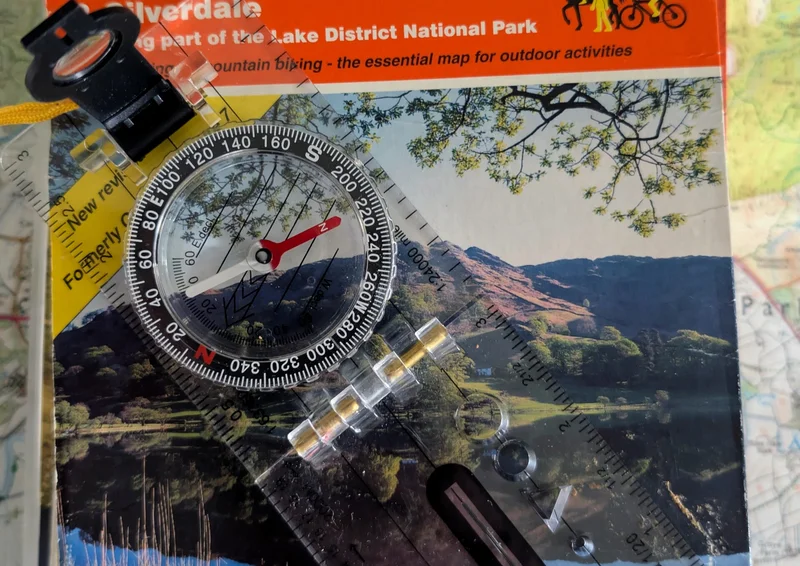
When discussing geospatial authority and mapping credibility, few organizations carry the same reputation as Ordnance Survey (OS). It is the national mapping agency for Great Britain and one of the world’s most respected producers of geographic information. Established in 1791, the organization has been mapping the country for more than two centuries, building an extraordinary reputation for reliability, precision, and innovation.
Today, Ordnance Survey is far more than a traditional map publisher. It manages the National Geographic Database, containing more than 600 million geospatial features across Britain, continuously updated thousands of times every day. That means every road, building, field boundary, and geographic feature is cataloged with remarkable precision. This massive dataset powers everything from emergency services navigation to urban planning, environmental management, and logistics operations.
The organization operates as a government-owned company, accountable to the UK government while functioning commercially in the geospatial market. This hybrid structure gives OS a unique positioning: it is both a public institution and a competitive data provider.
Branding-wise, Ordnance Survey has something most companies can only dream of: institutional authority. People trust its maps because they have been used by the military, engineers, government planners, and outdoor explorers for generations. This long-term trust forms the foundation of its branding strategy.
The Historical Origins of OS Authority
Authority doesn’t appear overnight. In the case of Ordnance Survey, it was built through historical necessity. The origins of the organization trace back to the aftermath of the Jacobite uprising of 1745, when the British government realized the need for detailed maps of Scotland and Britain’s coastline for defense purposes.
The earliest mapping efforts were carried out by military engineers who needed accurate terrain information to move troops and plan defensive strategies. One of the pioneers, engineer William Roy, conducted the first detailed survey of Scotland in the mid-18th century. His work laid the foundation for what later became the Ordnance Survey.
This military origin shaped the organization’s brand identity from the start. Accuracy wasn’t optional; it was a matter of national security. Over time, the same precision that once guided military campaigns became essential for civilian infrastructure such as railways, roads, and city planning.
In branding terms, this history gives Ordnance Survey something incredibly powerful: heritage authority. Many companies attempt to build credibility through marketing campaigns, but OS earned it through centuries of real-world impact.